


In construction, the cost forecast is the holy grail of keeping upper management happy. Your ability to predict the future stands on years of experience and the competence of your foremen. A good PM can read a bid budget and tell you in the first couple months of setting up a project which direction a three-year job will go. You don’t price in massive profits into a forecast early on unless you’re certain you can promise those targets to the owners.
Markets don’t price recessions by printing new all time highs either.
The S&P drew down nine percent during the full Iranian closure of the Strait of Hormuz, barely breaking into correction territory before reversing. By Friday it closed above 7,000 and the Nasdaq above 24,000, both all-time highs, with the Nasdaq notching its eleventh straight up day. The energy sector leads the index at twenty to thirty-nine percent year to date, ExxonMobil alone up forty-two percent.
This morning Iran re-routed commercial traffic around Larak Island and setup a toll booth again. A 9% drawdown through the biggest oil supply disruption in history is the market telling you what it thinks of the downside. The S&P at all-time highs during a live naval blockade is the market pricing the solidification of American hegemony: energy export dominance, domestic AI sovereignty, dollar primacy as the settlement layer, and a restructured global order financed through the American consumer and enforced through the American military.
Missing the Forrest for the Trees
Every platform this week is selling panic. This piece is going to do the opposite, because when you zoom out, growth looks inevitable.
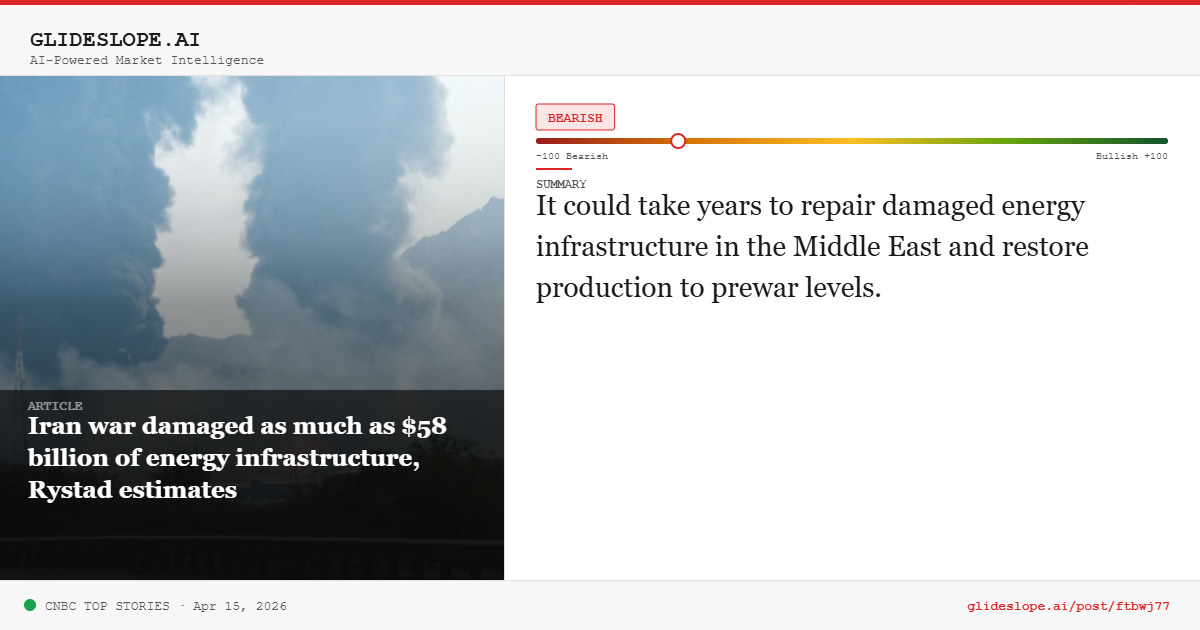
For weeks, headlines looked like this. The US Navy blockaded Iranian ports. Hegseth told Iran to choose wisely, confirming the US was reloading. Rystad put the Middle East energy damage at $58 billion with repair timelines stretching years. The IEA’s Fatih Birol told the AP that Europe has maybe six weeks of jet fuel left, calling it the biggest energy crisis the continent has ever faced. Gasoline sits at $4.125 a gallon, up from $3.63 a month ago.
The S&P 500 closed Friday above 7,000 and the Nasdaq above 24,000, both all-time highs, with the Nasdaq notching its eleventh straight up day. The energy sector leads the index at twenty to thirty-nine percent year to date, ExxonMobil alone up forty-two percent.
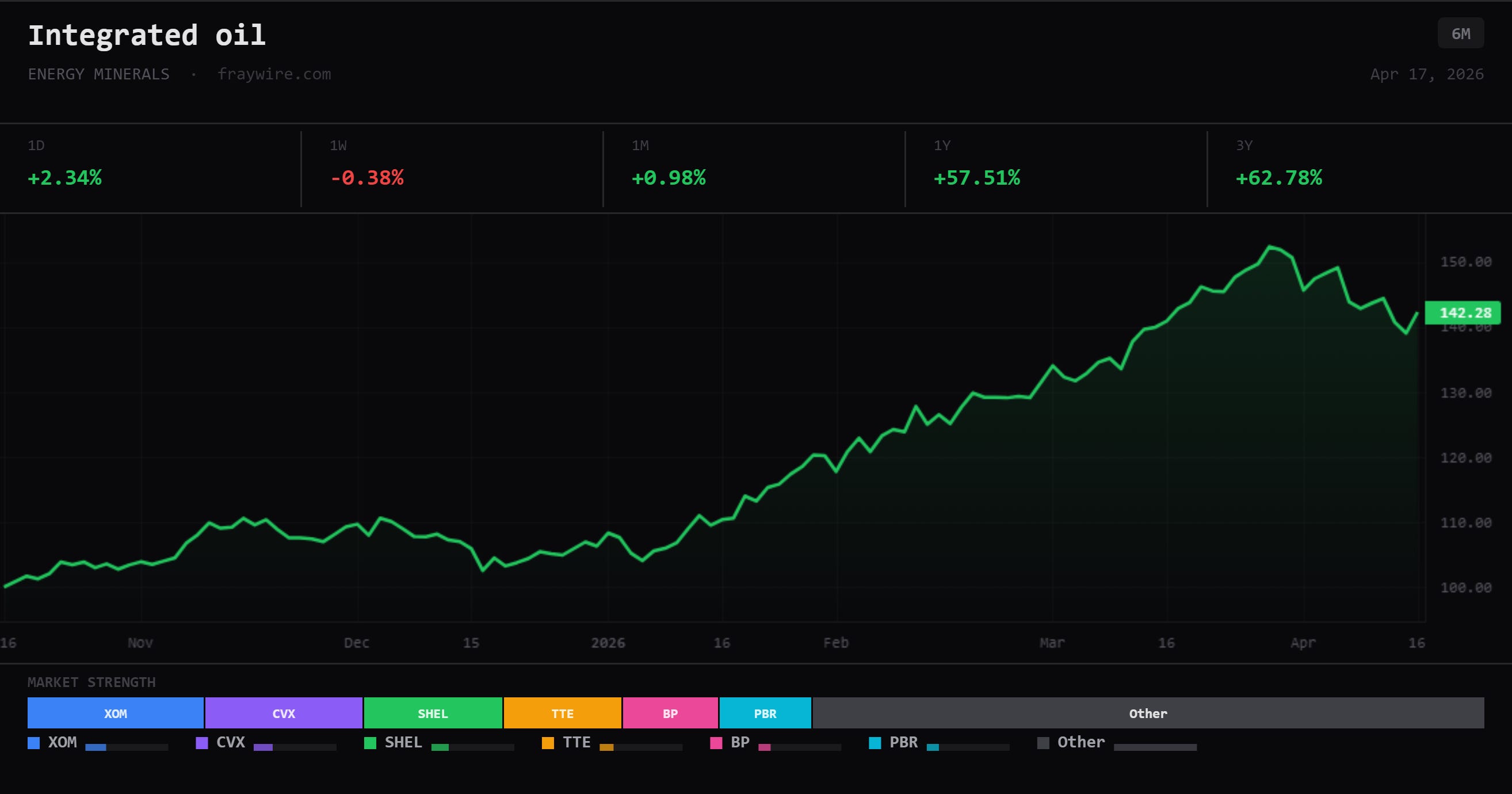
The market looked at the panic and bought it.
🎱 Outlook good
The market isn’t making four separate bets. It’s making one bet on a single chain where every link reinforces the next.
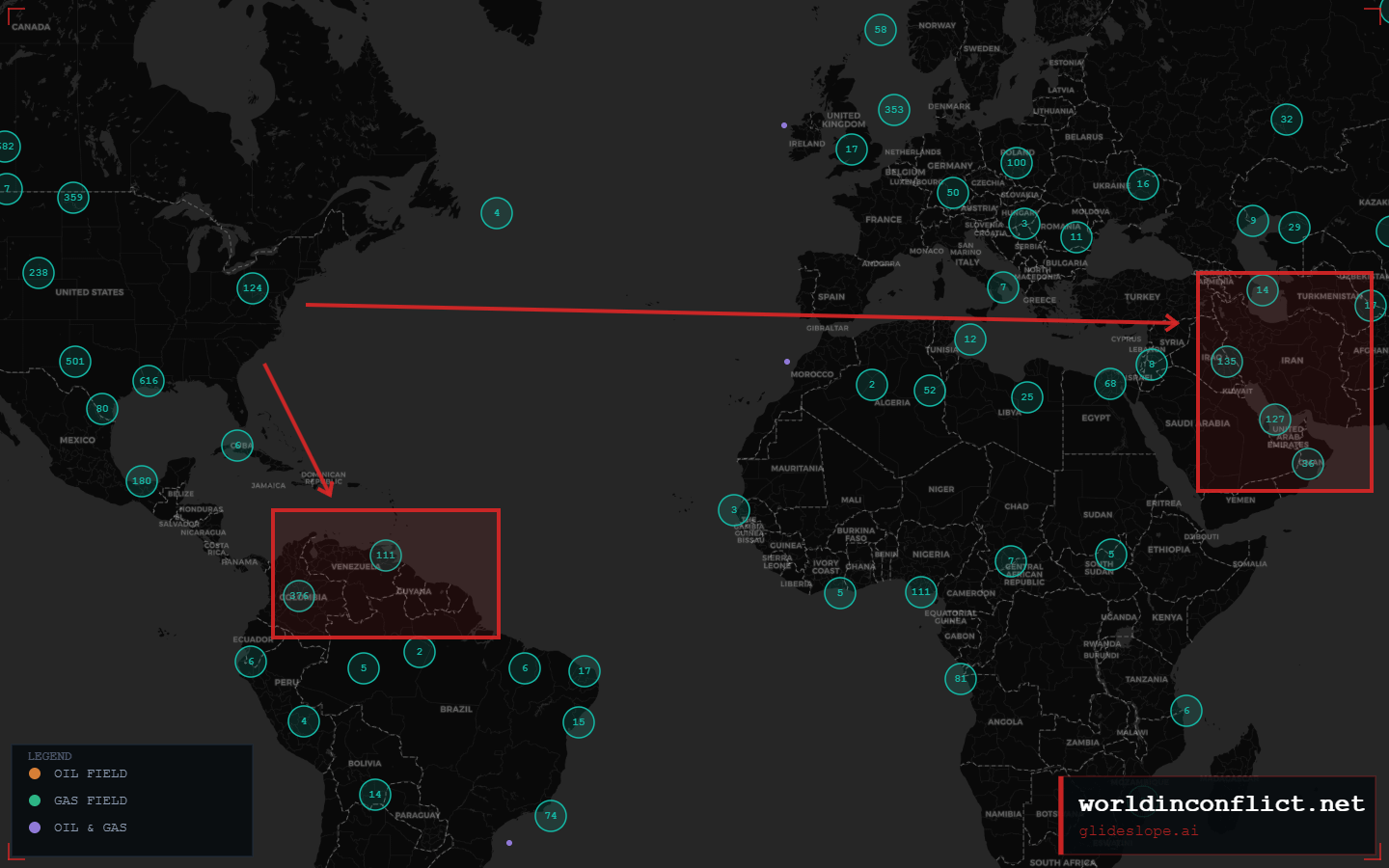
Energy export dominance is the first link. Iran is degraded, Venezuela is open, Saudi Arabia is aligned, and Rystad’s $58 billion damage number is a reconstruction pipeline the US is positioned to lead.

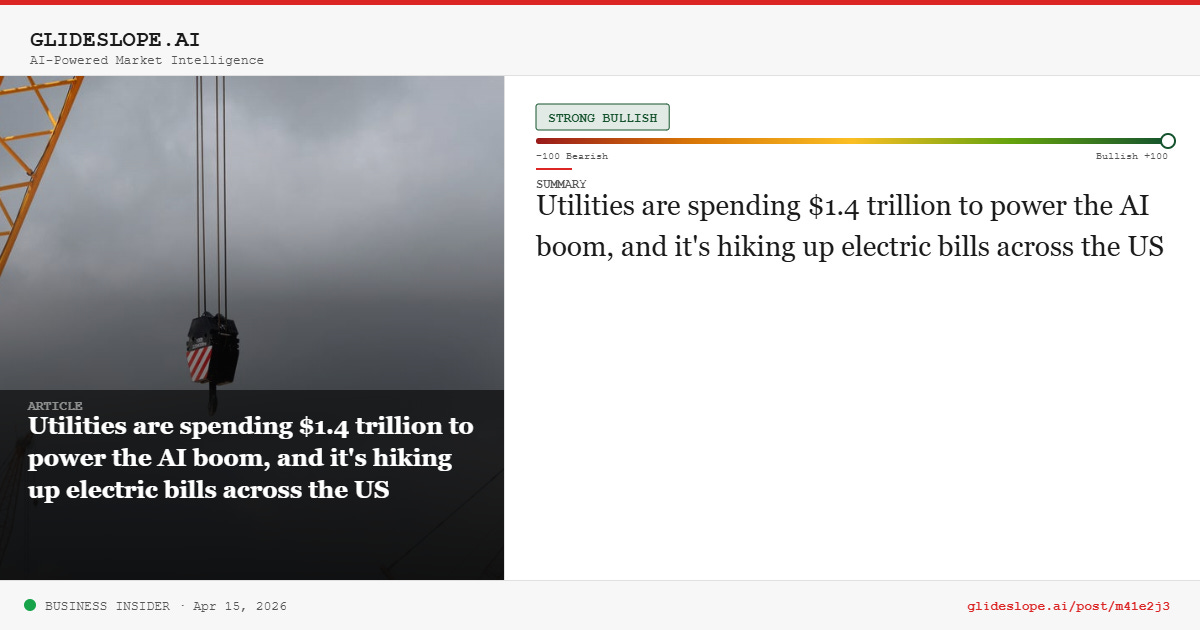
Domestic AI sovereignty is the second link. US utilities just committed $1.4 trillion through 2030 with data center demand forecast to hit 176 gigawatts by 2035, and every dollar is rate-recovered through regulated cash flows.
Dollar primacy is the third link. Bessent called secondary sanctions the financial equivalent of a bombing campaign, and you can’t settle reconstruction in yuan.
NATO exposure is the fourth link. Europe imports seventy-five percent of its jet fuel from the Middle East, is six weeks from running out, and contributed nothing to the operation reshaping the region.
The US secures global energy, American AI compounds from that secured input, dollar settlement captures every transaction, and a dependent customer base has no choice but to pay.
Cash Positive
Rising utility bills sound like a consumer burden until you ask where the money goes. $1.4 trillion in utility capex is transmission lines, substations, generation capacity, and decades of work for electricians, linemen, and heavy civil contractors in every county in the country. The $58 billion Middle East reconstruction runs through EPCM contracts American firms are positioned to lead.
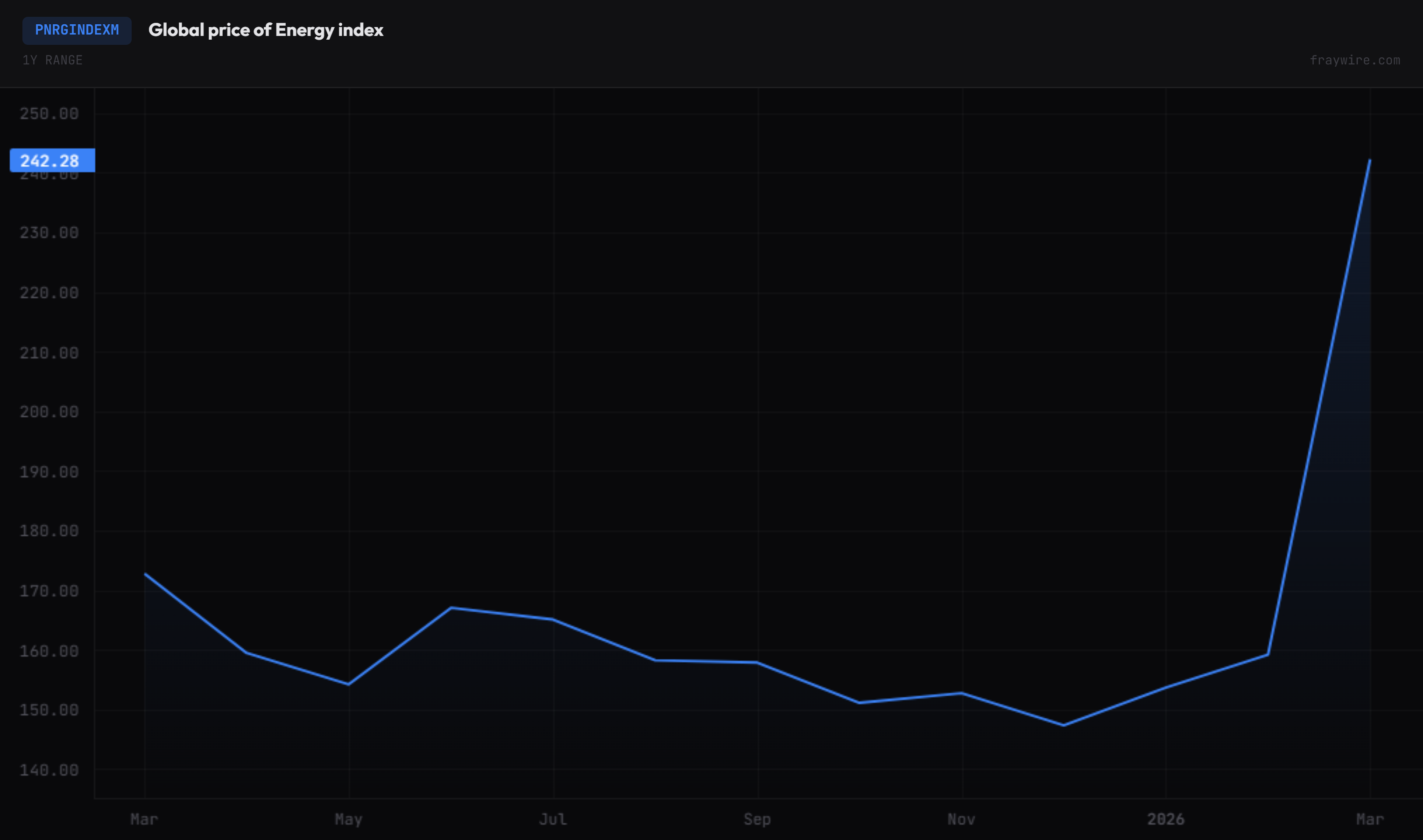
For forty years the playbook was cheap goods and hollow industry, with wages stagnating while manufacturing left. The hegemony trade runs the opposite playbook: goods cost more, but the capital stays domestic and the work is onshore. The market is pricing exactly that.
Close Out
A good forecast isn’t grounded in optimism. It’s pattern recognition and realism blended into hard numbers. A nine percent drawdown through a full closure and new highs during a blockade aren’t a mistake; they’re the forecast of a decade where American energy secures American AI, American dollars settle the reconstruction, and American workers build the infrastructure that powers it all.
The future looks bright. You just need to zoom out.
Given all this, do you think the economy is set up for a coming boom?
The public market signal reads clearly, but illiquid markets are printing a different forecast. Private credit funds are gating redemptions at rates that echo June 2007: Morgan Stanley honored forty-five percent of requests from an eight-billion-dollar fund, Blue Owl halted withdrawals entirely. If the hegemony trade is as solid as the S&P suggests, that stress shouldn't show up in the plumbing. Liquid markets can ride momentum for months after illiquid ones start cracking (https://thesynthesisai.substack.com/p/the-cash-position).